Residential Lease Agreement Explained (Section by Section)
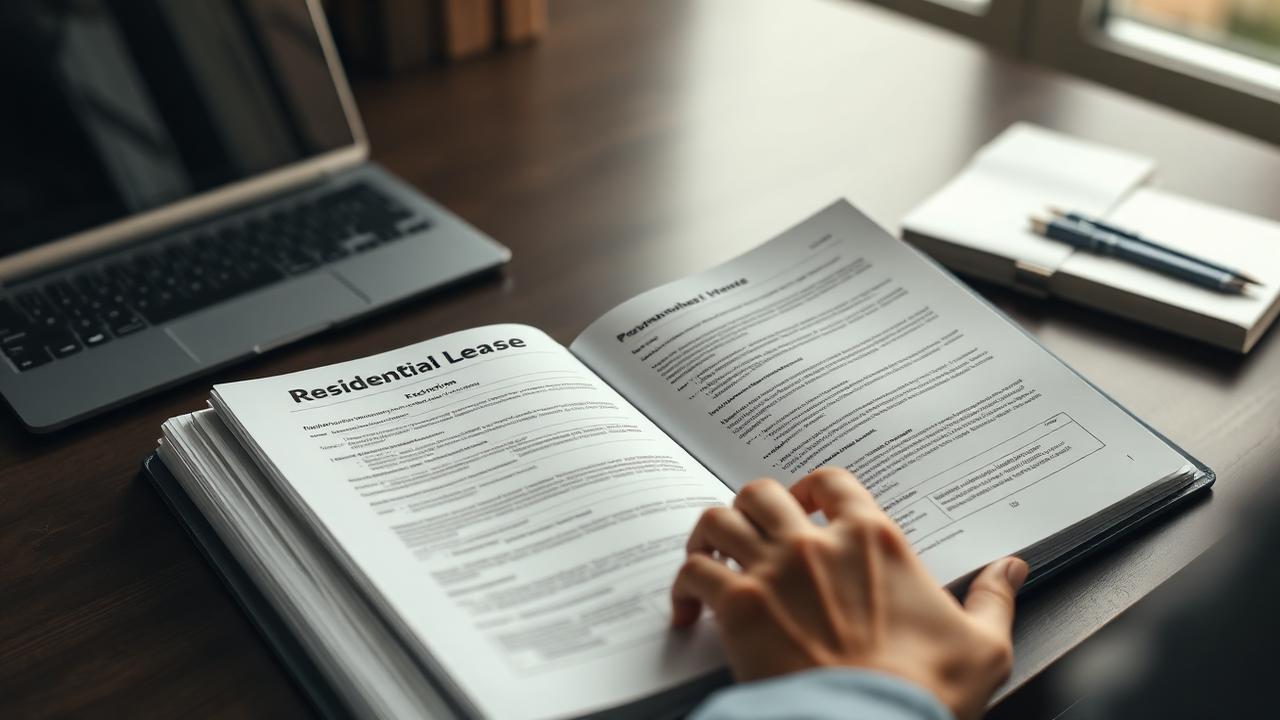
The first time I opened a real lease, I think I read the first two pages, got bored, and just started signing wherever there was a blank line. I'm guessing that's how most people do it. And honestly, I get it. Leases are boring. They're written in a language nobody actually speaks. But here's the thing: once you know what the sections actually do, you can skim one in about ten minutes and spot the problems. So here's every section you'll find in a standard residential lease, and what actually matters in each one.
Parties
This is just who's involved. You, the landlord, maybe a property management company. Boring, right? Except for this: every adult living in the apartment should be named. If your partner or your cousin is staying with you and they're not on the lease, you're technically violating it before you even move in. And if something goes wrong — an eviction, damage, whatever — the landlord has more leverage because there are unnamed occupants. Just list everyone.
Premises
This says what you're actually renting. Address, unit number, and crucially, what's included. Parking spot? It should be here. Storage unit in the basement? Here. That nice washer and dryer that sold you on the place? If it's not listed as included, the landlord can take it out next week and you have no recourse. I learned this one the hard way. Apartment I rented had a parking spot behind the building. Not in the lease. Six months in, the landlord sold the spot to a neighbor for extra income. I was parking on the street for the rest of the year.
Term
Start date, end date. Seems obvious. But pay attention to mid-month dates. If your lease starts on the 15th, is the first month prorated? Some leases assume full payment. And watch how the end date interacts with your notice obligations — if you need to give 60 days' notice and the lease ends on an odd date, the math gets weird.
Rent and Fees
The monthly number, when it's due, the grace period, and what happens if you're late. Late fees are regulated in many states — if your lease says 10% of rent as a late fee, check your state law because that might be double what's allowed. Also: what payment methods are accepted? If they only take money orders and you've been paying by check, they can technically reject your payment and start the eviction clock.
Security Deposit
How much, where it's held, and how you get it back. The lease SHOULD reference your state's deposit return statute. If it doesn't mention one at all, that's not automatically illegal but it's a sign the landlord either doesn't know the law or doesn't care. Either way, take photos of everything on move-in day.
Utilities
Who pays for what. Water, gas, electric, internet, trash. If something is shared between units (like a common water heater), the lease should explain how it's divided. If it's silent, assume you're paying for the whole building's hot water.
Use of Premises
What you can and can't do in the apartment. This is where you'll find clauses about running a business from home, having overnight guests for more than X days, whether you can paint the walls, subletting restrictions. Read this one carefully. The guest policy in particular can be a trap — if the lease says no guest for more than 7 consecutive days, and your mom comes to visit for 10 days, you're in violation.
Maintenance and Repairs
Who fixes what. The landlord is legally responsible for habitability: heat, water, plumbing, electricity, structural integrity. That obligation exists whether or not the lease spells it out. What the lease adds is YOUR responsibilities — changing lightbulbs, keeping the place reasonably clean, reporting problems promptly. Watch for clauses that try to push habitability repairs onto you.
Landlord Entry
When they can come in, how much notice they have to give, and what counts as a valid reason. 24 hours is the floor in most states. A clause that says "reasonable notice" is a red flag because "reasonable" means whatever the landlord says it means in the moment.
Default and Termination
What happens when something goes wrong. What counts as a breach? How many days do you get to fix it before you're considered in default? And what happens after that — eviction process, acceleration of rent, penalties? This section is usually dense but it's the one that matters most when things go sideways.
Signatures
Everyone signs. Everyone initials each page ideally. If the landlord initials changes you made (like crossing out a clause), those changes are enforceable. If you just cross something out and sign without the landlord acknowledging it, you're in a gray area you don't want to be in.
Have a lease in front of you right now?
Upload it. Our AI flags every red flag mentioned in this guide — in under 10 seconds.
Decode My LeaseFrequently asked questions
What if a section is missing?
State law fills the gap. Sometimes that's fine, sometimes it's not. If the security deposit section is missing, for example, your state probably has default rules that cover it — but you'd have to look them up to know what they are.
What if the lease conflicts with state law?
State law wins. Always. The problem is you might not know there's a conflict until a dispute happens and a lawyer or judge points it out. That's why it's worth knowing your state's basics before you sign.