Security Deposit Red Flags: When Your Landlord Is Overcharging
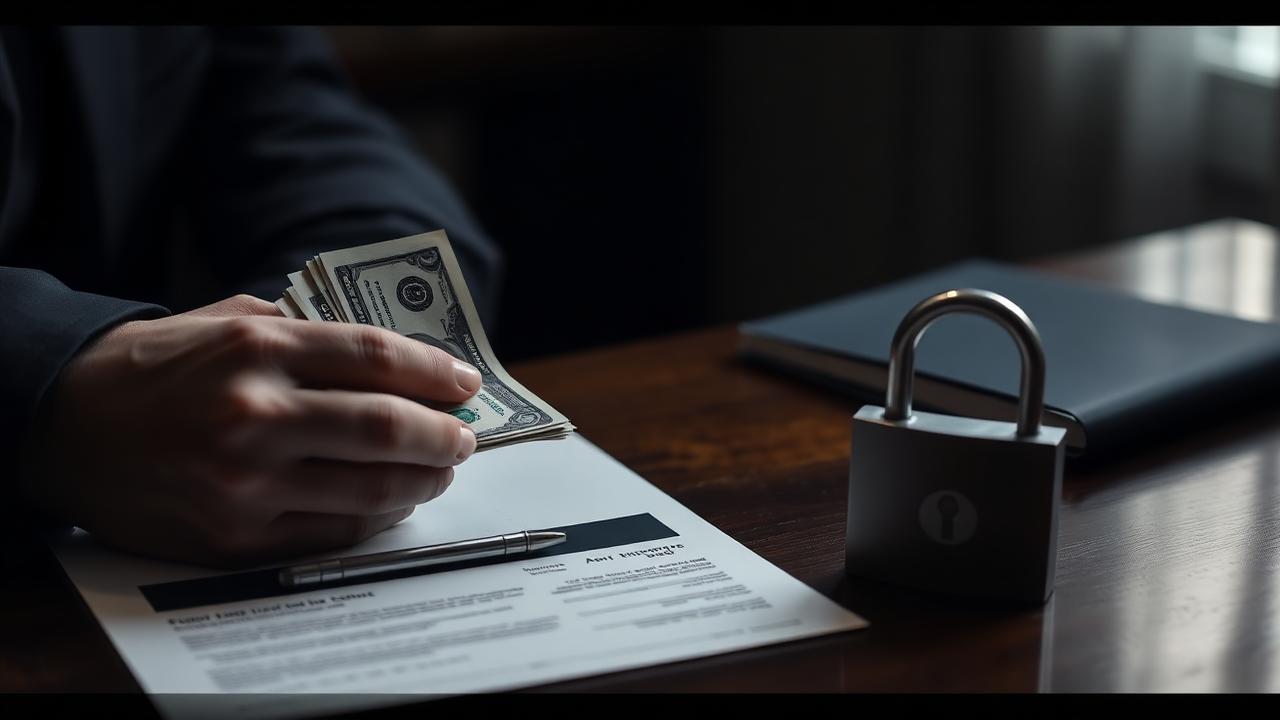
Every renter knows the security deposit moment. You've found the place, you're excited, and then they hit you with a number that makes you do a double take. But here's the thing — the deposit isn't just a price tag. It's a preview of how the landlord treats money, which is a preview of how they'll treat you.
What's actually legal
Deposit limits vary wildly by state, and you should know yours before touring. The rough landscape: California — 1 month's rent for unfurnished, 2 for furnished. Massachusetts — 1 month. New York — 1 month. Texas, Pennsylvania, Colorado — no limit (welcome to Texas). Florida — no limit, but anything excessive gets scrutiny. Even in no-cap states, nobody normal asks for four months' rent upfront. When someone does, they're either house-poor and using your money to cover their mortgage, or they're setting up a situation where getting the deposit back is going to be a fight. Neither is a landlord you want.
The interest question
Some states — about a dozen — require the landlord to hold your deposit in an interest-bearing account and give you the interest. Others require it to be held in a separate account but don't mandate interest. And in a surprising number of states, there's no rule at all. If your lease is silent on where the deposit lives, ask. A landlord who can't or won't answer is probably co-mingling your money with their operating account, which means good luck getting it back when you move out.
The deduction timeline trap
Most states give landlords 14 to 30 days after move-out to return your deposit — or at minimum, send you an itemized list of deductions. When a lease pushes that to 45 or 60 days, it's not about processing time. It's about waiting you out and hoping you forget. Real talk: take photos of everything on move-in day. Every scratch on the floor, every chip in the paint, every stain on the carpet. Email them to yourself so they're timestamped. Do the same on move-out. If the landlord deducts for something you documented as pre-existing, you now have dated proof.
Red flags in the deduction language
Watch for these phrases: "Landlord may deduct for ordinary wear and tear." No. That's illegal everywhere. Wear and tear is the cost of doing business as a landlord. They can only deduct for damage beyond normal use. "Deposit is non-refundable." Some variation of this shows up in sketchy leases that want to call a fee a deposit. A security deposit is, by definition, refundable. If it's not, it's a fee, and it needs to be labeled as such. In several states, calling a non-refundable fee a "deposit" is itself a violation. "Deposit may be applied to any amount landlord claims is owed." This is a blank check clause. Without an itemization requirement or a dispute mechanism, the landlord can just declare the whole deposit forfeited and dare you to do something about it. "Landlord may use deposit during tenancy for unpaid rent." Your deposit is not a slush fund. If you missed rent, the landlord has an eviction process — they don't get to help themselves to the deposit mid-lease and then demand you replenish it immediately.
What to do if you've been overcharged
First, confirm your state's actual cap. You can look it up in about three minutes online. If the landlord exceeded it, you have leverage — in many states, knowingly charging an illegal deposit comes with statutory damages: two or three times the overcharged amount, plus attorney's fees. That's not a negotiation tactic. That's a law the landlord should have read. Second, don't just refuse to pay. Send an email (you want this in writing) that says something like: "I noticed the deposit exceeds the [STATE] statutory limit of [AMOUNT]. I'd be happy to proceed at the legal amount." Most landlords will back down. The ones who don't are telling you everything you need to know.
The deposit is a relationship test
If the deposit terms are fair, transparent, and match state law, you're probably dealing with a professional. If they're not, the lease is going to be full of other problems too. The deposit is the first exchange of money between you and the landlord. If that's already adversarial, the rest of the tenancy will be worse.
Have a lease in front of you right now?
Upload it. Our AI flags every red flag mentioned in this guide — in under 10 seconds.
Decode My LeaseFrequently asked questions
What if I already signed?
You're not stuck. Take photos and video of every room the day you move in — corners, appliances, that weird stain by the baseboard, all of it. Then send a written request for the deposit 30 days before you leave. If they stiff you, small-claims court is genuinely the easiest part of all this.